

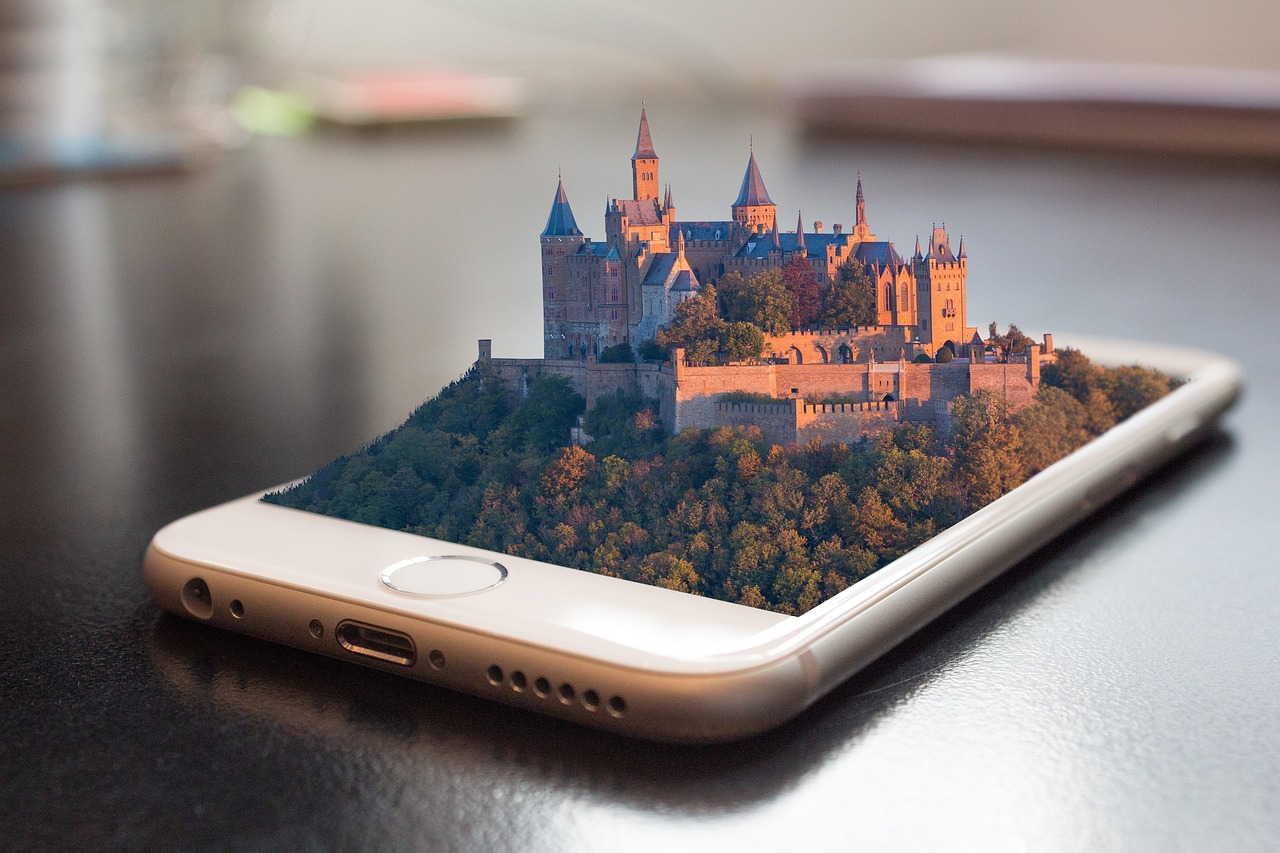
Pocket power just leveled up
This week, Apple quietly dropped a tiny bomb: its new M4 chip is coming to iPad Pro now, and, more importantly for gamers, that same next-gen silicon and graphics tech is headed for iPhone sooner than you think. Translation: the kind of visuals you used to need a console for are about to live in your pocket—and not just as a marketing slide.
Here’s the gist. Apple’s M4 chip, announced days ago, brings a beefy new GPU and an upgraded neural engine. That means better lighting, smoother frames, smarter upscaling, and less battery panic while you’re slashing through boss fights on the train. The company has been on a tear porting full-fat titles like Resident Evil Village, Death Stranding, and Assassin’s Creed Mirage to iOS. Those aren’t “mobile versions.” They’re the real deal, with tricks like hardware-accelerated ray tracing and MetalFX upscaling to keep things pretty without turning your phone into a hand warmer.
Why it matters right now: Ubisoft just revealed that Assassin’s Creed Mirage is arriving on iPhone and iPad this week, lining up with Apple’s hardware push. It’s not a cloud stream. It runs on-device. And it supports the casual crowd and the controller crowd. Tap to sneak. Snap on a pad to stab. Your call.
The dominoes are lining up. Epic’s back on iOS in Europe, which means Fortnite can finally rejoin the party there as a native app, not a browser science experiment. Meanwhile, Netflix is still stuffing your subscription with legit mobile games, including Hades coming to iOS via Netflix this year. And over on the Android side, Qualcomm keeps flexing with Snapdragon Elite hardware in handhelds and phones that laugh at 120Hz.
In short, mobile gaming is graduating from “good for a phone” to “good, period.” We’re seeing console-tier releases, smarter graphics, and storefront shifts that actually let games show up where the players are. The vibe is less gacha grind, more “I missed my subway stop because the boss had a second health bar.”
It also fixes the age-old pocket problem: heat and battery. The new chips push more frames per watt, and the neural bits help with upscaling and smarter effects. Think of it like your phone wearing glasses—it doesn’t work harder to see; it just sees better.
And developers are responding. Port houses are getting faster at bringing big titles to mobile without turning the UI into a postage stamp museum. Cross-save is becoming normal. Controllers click in and just work. It’s not “mobile versus console” anymore. It’s the same game, different seat.
The best part? You don’t need to buy a $600 handheld to join in. If you’ve got recent Apple or Android hardware, you’re already in the lobby. Download Mirage. Pair a controller. Pretend you’re “checking email.”
Today’s takeaway: the next console war fits in your jeans—and this time, your battery might actually survive the boss fight.
