

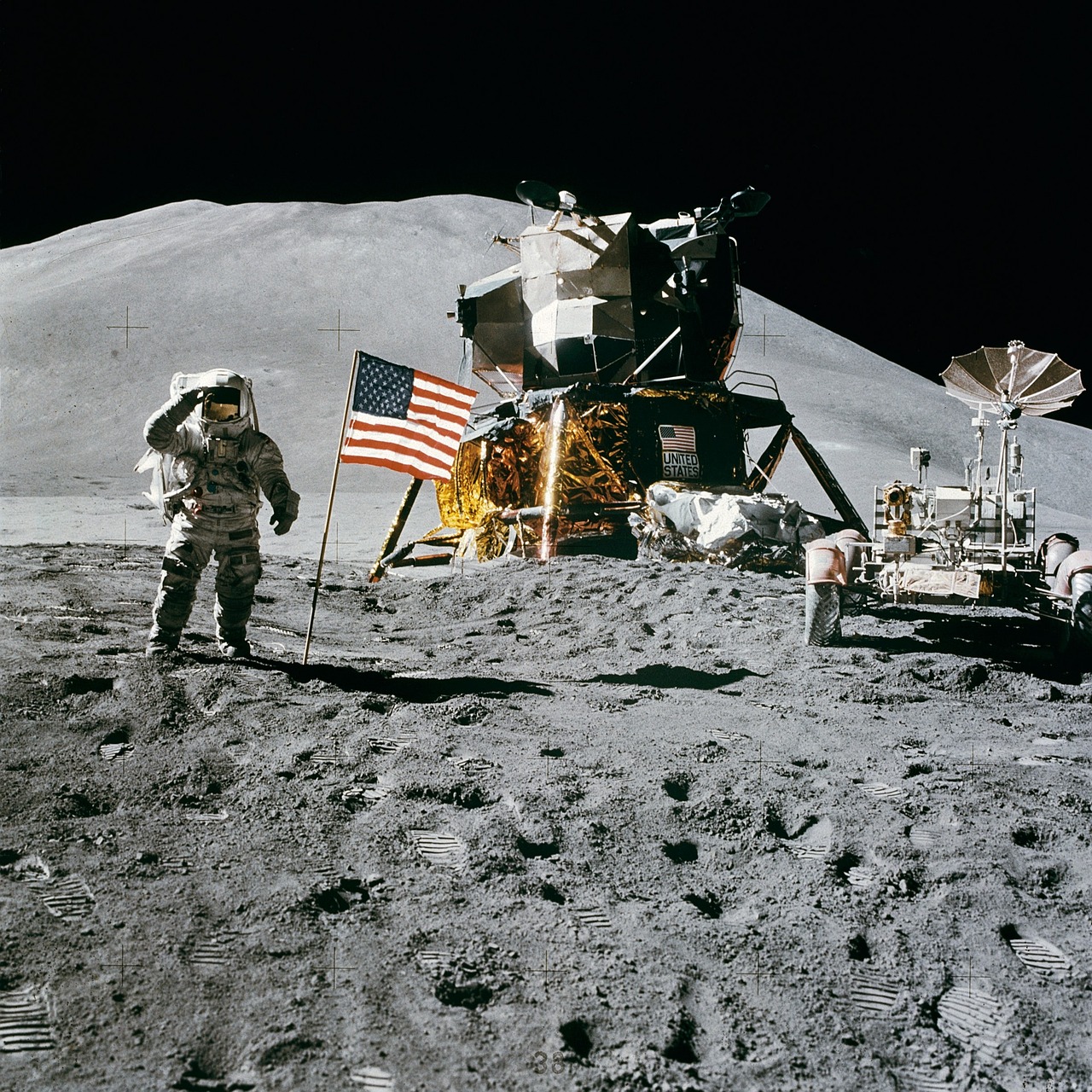
Gather ‘round, space aficionados and celestial curious, because it’s time to strap on those metaphorical space boots and blast off into the cosmos! Fresh off the press (or should I say, right off the rocket?), we have some stellar news that’s as exciting as finding an extra fry at the bottom of the bag. Recent developments in space technology are not just pushing boundaries; they’re catapulting right past them like a mischievous toddler with a slingshot.
Picture this: just the other day, NASA’s mega rocket, the Space Launch System (or SLS for those on a first-name basis with intergalactic machinery), flexed its muscles and intended to send the Orion spacecraft on an uncrewed journey around the Moon. Cue dramatic music! But don’t worry, the whole operation went off without a hitch—unlike my attempts at assembling IKEA furniture, which usually end with a fair amount of cursing and leftover screws.
What does this all mean for us, mere Earthlings? Well, let’s break it down like a viral TikTok dance. NASA’s Artemis program—not to be confused with your local Artemis, who may or may not be the god of the hunt, but definitely has a stellar reputation—aims for humans to land on the Moon again by 2024. Yes, you heard that right! So if you’ve been complaining about your in-laws taking over your guest bedroom, imagine 2024 being the year you step aside to let lunar explorers build a base camp in your backyard. Don’t worry, they promise to be quiet.
But wait, there’s more—SpaceX, the tech-savant brainchild of Elon Musk, is not about to miss out on this interstellar party. Their Starship rocket is gearing up to be the Prom King, strutting through the cosmos with the confidence of someone who just found out they have a perfect score in “Space Travel 101.” Recently, Starship completed successful orbital test flights, which is a fancy way of saying it didn’t explode like last year’s Fourth of July fireworks. And while some skeptics might roll their eyes and mutter something about the final frontier being a bit overhyped, consider this: with innovation like this, our moonlight picnics might just involve gourmet cuisine prepared by space-chefs someday.
Let’s not forget about the tech wizards at NASA who have their sights set on asteroids. You know those little rock nuggets floating around in space? They’re not just debris; they hold the key to mining resources that could one day support human life in, say, Mars! Lincoln once said, “A house divided against itself cannot stand,” but it seems the future is all about dividing asteroids for space-based materials. So, while you may be worrying about the price of avocados back home, scientists devotedly explore ways to snag interstellar minerals. Who knew the universe could be a farmer’s market?
Now, before you scoff at this cosmic quirkiness, picture your great-grandkids chatting in a café (hopefully without having to wear the latest in led-lighting helmets) about how boring life was on Earth back in the day. “Pffft, we just watched shows about space travel on Netflix,” they’ll say. “Now we can take weekend trips to the asteroid belt!”
So, what’s the takeaway? Future space endeavors are moving at warp speed, faster than you can say “extraterrestrial pizza delivery.” We’re on the cusp of discovering galaxies of possibilities—fueled by innovation, an insatiable curiosity, and yes, a sprinkle of good old commercial capitalism.
In conclusion, as we set our sights on the stars, remember this: next time you complain about city traffic, spare a thought for the engineers trying to figure out how to avoid collisions among satellites! Just don’t forget to charm them with a recommendation for extra fries when they get back. The last thing we want is a frustrated astronaut munching on space rations while dreaming of pasta primavera. Until then, watch the skies—who knows what cosmic chaos will ensue next?

1 Comment
“Exploring Tomorrow: Breakthroughs in Space Technology Today” highlights the cutting-edge advancements that are reshaping our understanding of space and expanding the frontiers of exploration. By showcasing innovative technologies and their applications, it underscores the importance of continued investment and research in the field, paving the way for future discoveries and sustainable space exploration. This work serves as both an informative resource and an inspiring call to action for those interested in the potential of space technology to transform our world.