

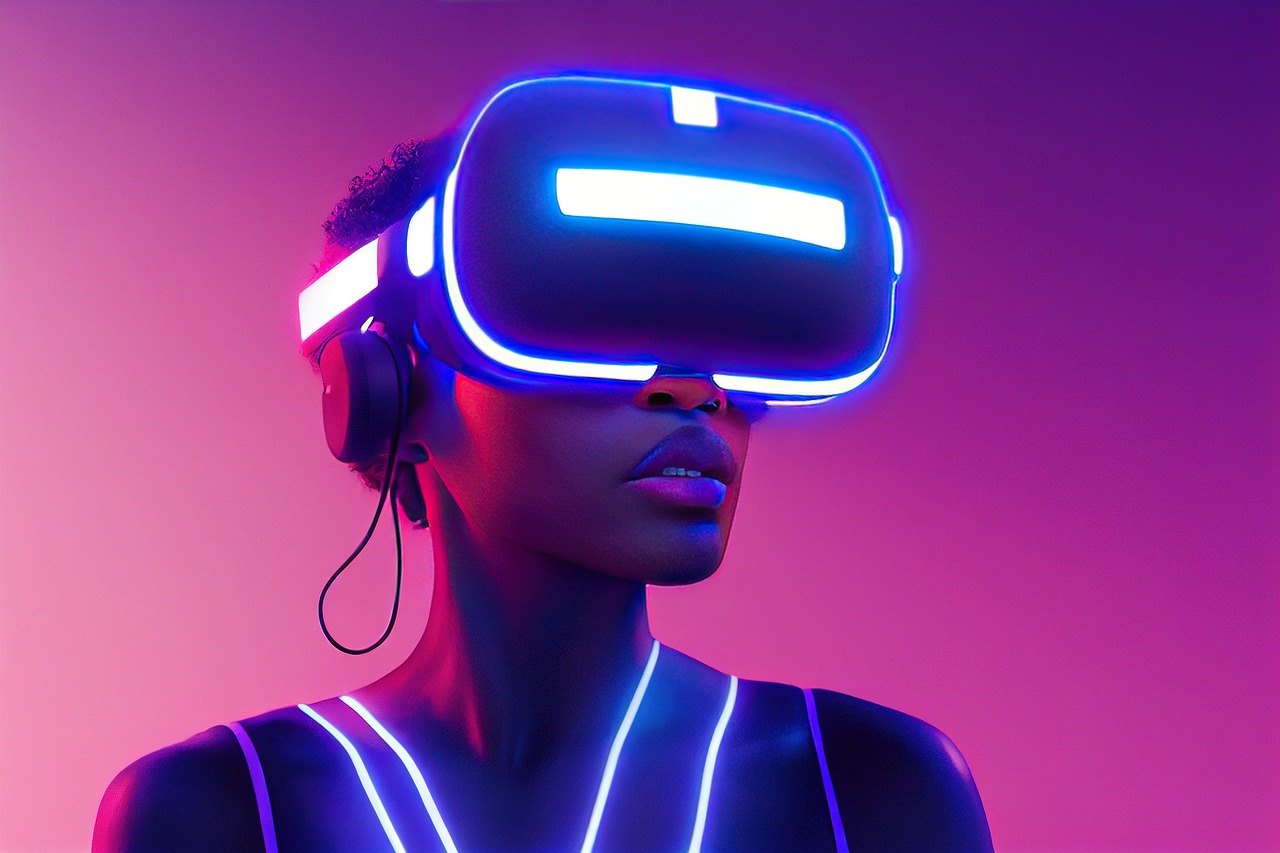
Buckle Up—The Movies Just Got a Whole Lot More Real!
Imagine this: you’re not just watching the heroes save the day; you’re part of the action, dodging bullets and leaping from building to building. Sounds like a blockbuster dream, right? Thanks to virtual reality (VR), this isn’t just a plot twist anymore—it’s the new frontier of cinema.
In recent months, virtual reality has strut onto the cinematic stage like a charismatic star who just discovered a hidden talent for karaoke. It’s shaking up how we consume stories, and the buzz is electrifying. Let’s dig into why VR is becoming the hottest ticket in town and how it’s making traditional “movie-watching” feel as outdated as dial-up internet.
A Seat at the Center of the Action
Traditionally, going to the movies has been a passive experience. You buy your popcorn, find your seat, and let the film wash over you. Fun, but ultimately limited—you laugh, cry, and occasionally cringe at the occasional random loud muncher next to you. With VR, the tables are turned. Suddenly, you’re not just an audience member; you’re a participant.
Think of it this way: with VR, if the hero needs to scale a towering mountain to escape a lava flow, you’ll be right there with them, feeling the heat and the wind as you cling precariously to the edge. It’s the ultimate immersive experience that spills out of the flat screen and into your living room, your head bobbing with every plot twist as if you’re on a roller coaster designed by a mischievous filmmaker.
Worthy Updates for Halloween and Beyond
One of the standout highlights this Halloween season—because who doesn’t love a good spook fest—was the launch of a dazzling new VR experience called “The Haunting of Verdant Manor.” Produced in collaboration with top filmmakers, this eerie attraction puts viewers directly into a haunted first-person narrative. Forget jump scares; you’ll feel the chills spiderwalking up your spine as you traverse dimly lit hallways filled with spectral surprises.
It’s quick trips like these that show how VR is not just for gaming enthusiasts—it’s boldly stepping into the realm of storytelling, turning your living room into a portal to hair-raising adventures.
From Concept to Creation: Why It Works
So why is this tech wizardry hitting home runs with audiences? It’s all in the neuroscience, baby! VR changes how we engage with stories, creating emotional connections. Studies show that people often have a stronger attachment to VR experiences than traditional ones. When you feel like you’re literally stepping into a narrative, those feelings of fear, joy, and exhilaration become as potent as a double espresso with a side of adrenaline.
And don’t think it’s just entertainment companies hogging the spotlight. Educational institutions, museums, and even therapy practitioners are using VR to enhance their storytelling techniques. Imagine learning about ancient civilizations while walking through a virtual replica of Pompeii.
The Show Must Go On… And On
As with any emerging technology, creators are figuring out how to best leverage virtual reality. And if recent trends are any indicator, we’re only scratching the surface of possibilities. Studios are already experimenting with interactive narratives, allowing viewers to choose their path—will you save the world, or will you take the villain’s side?
But with great power comes great responsibility (thank you, Uncle Ben). As audiences crave more immersive experiences, there are also ethical considerations to navigate. Developers have to ensure that these experiences don’t veer into discomfort or become too intense for some viewers. After all, we want thrills, not therapy bills.
Wrapping It Up: A Peek into the Future
As we embrace this thrilling ride through the world of virtual reality, one thing is clear: the cinematic experience will never be the same. Future films could turn every seat in the theater into a virtual wonderland, where each viewer has a unique story to tell after rolling the credits.
So, whether you’re a film buff or a casual popcorn muncher, get ready to step inside the screen. Because in this new age of cinema, the boundaries are blurring and the possibilities are as endless as your popcorn bucket—just don’t forget to take off those VR goggles before attempting the next bathroom shuffle!

⚡ Limited Time Offer – Grab It Now!
Buy Now
4 Comments
In conclusion, “Step Inside the Screen” offers an exciting exploration of how virtual reality is transforming the cinematic landscape. By immersing audiences in a three-dimensional narrative experience, VR technology is redefining storytelling and engagement in film. As this innovative medium continues to develop, it promises to blur the lines between reality and fiction, inviting viewers to not just watch, but to become active participants in their cinematic journeys. This revolution not only enhances entertainment but also opens doors to new creative possibilities for filmmakers, inviting them to push the boundaries of imagination and connectivity.
In conclusion, “Step Inside the Screen” showcases the transformative impact of virtual reality on cinema, offering audiences an immersive experience that transcends traditional storytelling. As technology continues to evolve, it paves the way for innovative narratives and heightened engagement, ultimately shaping the future of film in exciting and unforeseen ways.
“Step Inside the Screen” highlights the transformative power of virtual reality in cinema, offering audiences immersive experiences that break traditional storytelling boundaries. By merging technology with creativity, VR is redefining how stories are told and experienced, ensuring that the future of film captivates and engages viewers like never before.
In conclusion, “Step Inside the Screen” highlights the transformative power of virtual reality in cinema, offering audiences an immersive experience that reshapes storytelling and engagement. By blending technology with creativity, VR is not only enhancing the way films are produced and consumed but also opening new avenues for emotional connection and interaction, marking a significant evolution in the cinematic landscape.