
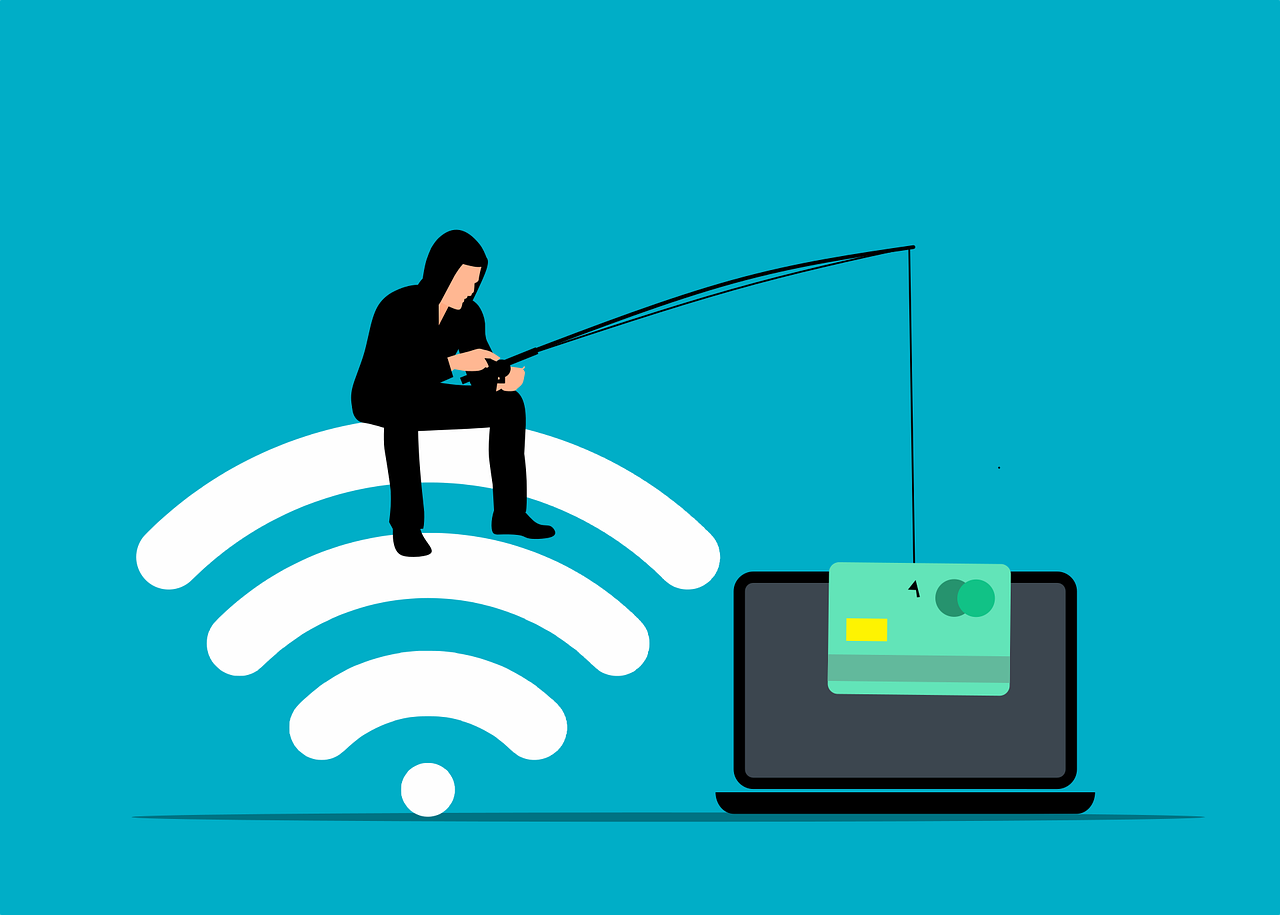
Phishing: The Digital Ocean Full of Perilous Hooks
In a world where scammers cast their nets far and wide, it’s time to learn how not to bite the bait.
Phishing scams have become the digital equivalent of the “Nigerian Prince” email scam from the early internet days, but with a modern twist that makes them all the more insidious. Recently, a new wave of phishing attacks was reported, catching unsuspecting internet users off guard, and let’s be honest, probably binge-watching the latest Netflix series, so their defenses were down.
Picture this: you receive an email that looks so authentic that it could easily pass as a note from your best friend—or worse, your bank. It informs you of suspicious activity on your account, urging you to click a link and verify your information immediately. Sounds serious, right? But before you pixelate your details, stop! That email is likely a carefully crafted trap designed to snare the unwary.
According to reports from cybersecurity experts, these attacks have skyrocketed, with a 30% increase in the first quarter of this year alone. Phishing waves are using more sophisticated tactics, often masked under legitimate-looking logos and websites. In fact, recent high-profile breaches have revealed that even major corporations like Microsoft and Google were targeted, showcasing that no one is immune. Imagine thinking you were safely scrolling through cat videos, only to find out you just handed over your life savings to a stranger in a foreign land!
Ah, but how do we outsmart these crafty digital pirates? First, let’s talk about the classic “smell test”. If an email feels fishy, it probably is. Look for typos—nothing screams “scam” like a message riddled with errors that make you question whether the sender graduated from the school of grammar. Legitimate retailers and organizations typically embody professionalism, complete with well-edited messages.
Next, take a long, hard look at that link. Hover over it, and check if it redirects you to a URL. If it’s a jumble of letters and numbers or looks completely unrelated to the company’s domain, it’s time to slam the trapdoor shut. Think of this as not getting into a car with a stranger; it’s simply not worth the risk.
Let’s not forget the classic phone call scams that have gotten into the mix more recently. Unsuspecting individuals have been contacted by “tech support” from seemingly reputable companies, convincing them that their computer has issues that only they can fix. Spoiler alert: They just want your credit card number and remote access to your computer. Talk about digital date-rape! Lucky for us, we can ‘ghost’ these scammers by simply hanging up and reporting them.
And finally, don’t forget your digital safety gear: Two-factor authentication is your superhero sidekick. It’s as if you’re adding a secondary lock to your front door. Even if those crafty phishing criminals manage to snag your password, they’ll still be left locked out of your personal vault.
As we navigate this ever-expanding digital ocean, remember that phishing is not just a passing trend—it’s the pervasive presence of modern life. Awareness is your best ally. Stay vigilant, trust your gut, and always be a little suspicious of that “urgent” message with poorly phrased pleas for your precious information.
At the end of the day, let’s outsmart these digital deceivers, rolling our eyes at their efforts while enjoying our cat videos in peace. So go forth, brave internet user, armed with knowledge and a healthy dose of skepticism. The virtual seascape can be a cruel place, but with sharp wits and strong shields, you can navigate it without taking the bait.

⚡ Limited Time Offer – Grab It Now!
Buy NowNext, take a long, hard look at that link. Hover over it, and check if it redirects you to a URL. If it’s a jumble of letters and numbers or looks completely unrelated to the company’s domain, it’s time to slam the trapdoor shut. Think of this as not getting into a car with a stranger; it’s simply not worth the risk.
Let’s not forget the classic phone call scams that have gotten into the mix more recently. Unsuspecting individuals have been contacted by “tech support” from seemingly reputable companies, convincing them that their computer has issues that only they can fix. Spoiler alert: They just want your credit card number and remote access to your computer. Talk about digital date-rape! Lucky for us, we can ‘ghost’ these scammers by simply hanging up and reporting them.
And finally, don’t forget your digital safety gear: Two-factor authentication is your superhero sidekick. It’s as if you’re adding a secondary lock to your front door. Even if those crafty phishing criminals manage to snag your password, they’ll still be left locked out of your personal vault.
As we navigate this ever-expanding digital ocean, remember that phishing is not just a passing trend—it’s the pervasive presence of modern life. Awareness is your best ally. Stay vigilant, trust your gut, and always be a little suspicious of that “urgent” message with poorly phrased pleas for your precious information.
At the end of the day, let’s outsmart these digital deceivers, rolling our eyes at their efforts while enjoying our cat videos in peace. So go forth, brave internet user, armed with knowledge and a healthy dose of skepticism. The virtual seascape can be a cruel place, but with sharp wits and strong shields, you can navigate it without taking the bait.

3 Comments
This article is like a lifebuoy in a sea of phishing scams—just when you think you’re floating along fine, a digital shark comes along with a tempting bait! 🎣 Remember folks, if that email smells fishy, it’s probably a good idea to toss it back in the water. And please, let’s keep the only drama in our lives for Netflix, not in our bank accounts! Stay savvy and don’t let the scammers cast their nets over you! 🛡️💻
Ahoy, digital sailors! 🐟 It seems the phishing pirates are at it again, casting their lines where we least expect it—like a Netflix binge of ‘The Office’ gone awry. Just remember, if that email smells fishy, it’s probably a sushi roll from the scam buffet! So, keep your wits sharp and your clicks cautious; after all, it’s better to be a skeptic than to be left fish food! 🐠💻
Ahoy, digital sailors! 🌊 Let’s make sure our nets are full of fish, not phishing! Remember, if an email has more red flags than a bullfight, it’s time to sidestep those cunning scammers! Stay sharp, stay skeptical, and keep those cat videos rolling—just don’t let any ‘urgent’ messages lure you into the deep end. 🐟💻