

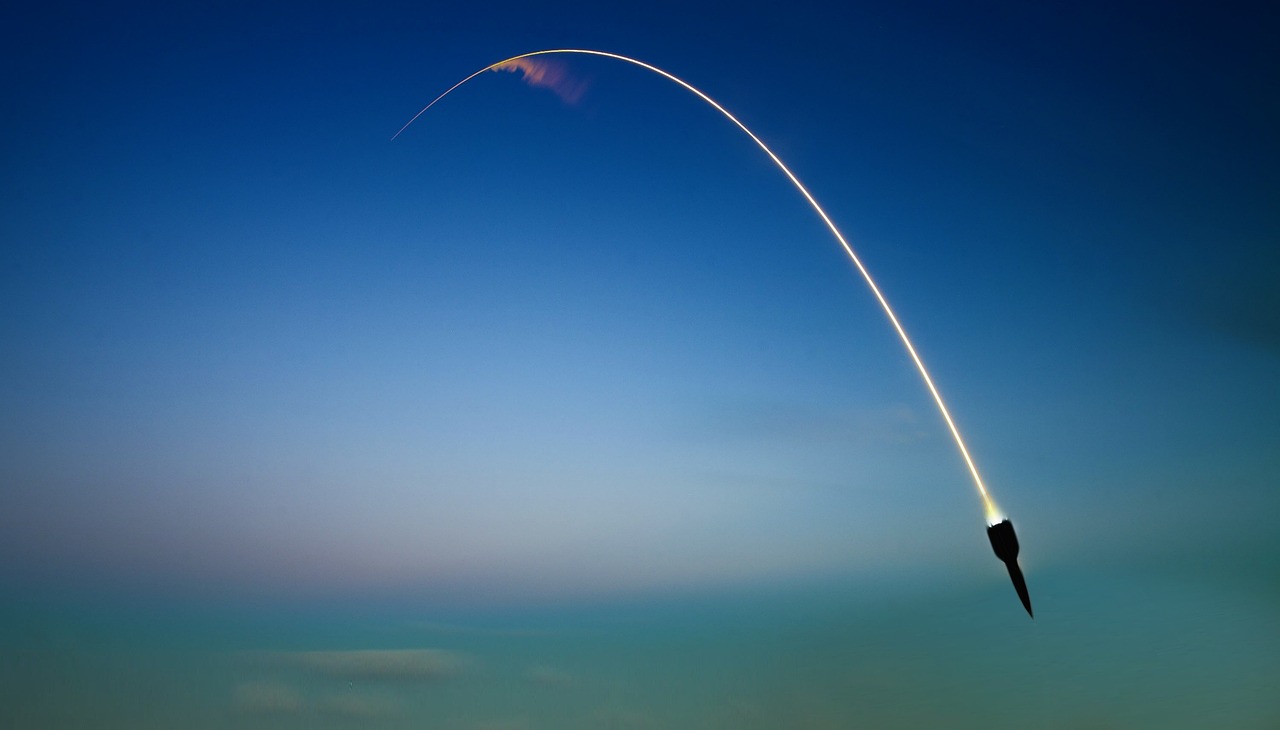
Rockets are so last season.
NASA just greenlit a wild new test: sending a nuclear-powered rocket engine to space by 2027. It’s called DRACO, short for Demonstration Rocket for Agile Cislunar Operations. Think of it as a space Prius, but the “gas” is a tiny reactor. The project is a team-up between NASA and DARPA, with Lockheed Martin building the spacecraft and BWX Technologies making the reactor. The goal is straightforward: go faster, carry less fuel, and make Mars feel less like a forever road trip. This isn’t theoretical—funding is flowing, hardware is in the works, and timelines are on the calendar.
Meanwhile, European engineers just showed off a working air-breathing ion engine concept built for the edge of Earth’s atmosphere. It literally sips thin air to make thrust, so satellites can stay aloft longer without lugging giant tanks. It’s the orbital equivalent of living off the land—space foragers instead of space hoarders. Pair that with Hall thrusters getting beefier and more efficient—hello, record power tests—and you’ve got a quiet revolution humming in the vacuum.
Back to DRACO, because nuclear thermal propulsion is the headline act. Chemical rockets are loud sprinters. NTP is a marathoner with lungs for days. By heating hydrogen propellant with a fission reactor, you get double the efficiency of the best rocket fuel we’ve got. Translation: shorter trips, less radiation exposure for crews, and wider mission windows. It turns the Mars calendar from “see you in two years” into “grab your bag, we can make this window.”
And the vibe isn’t just government big-iron. Private outfits are racing too. Pulsed plasma, fusion-adjacent concepts, even solar sails are inching from whiteboard to lab bench. Some of it will fizzle. Some of it will fly. That’s how future tech arrives—awkward, then obvious.
If you’re picturing a cartoon atom strapped to a rocket, fair. Safety is the headline question. The reactor stays cold and off during launch. It only goes live in space, far from the neighborhood. Regulators are hovering like nervous lifeguards. The point is to prove the engine works, not to barbecue the stratosphere.
Zoom out, and the arc is clear. We’re swapping brute force for brains. Less boom, more glide. Thrusters that sip. Reactors that hum. Smarter routes instead of bigger tanks. It’s the difference between flooring a pickup and coasting a hybrid down a long, empty highway.
The punchline? Deep space is starting to look drivable. Not easy, not tomorrow—but no longer fantasy. If Apollo was a sprint and Shuttle was a commute, this is the first credible road trip playlist. Pack snacks. Mars just moved from “someday” to “send me your ETA.”

2 Comments
dnolYPpWEMYCJjaUi
OpUOINXxaeuEdqqaqewHovKg